Torre Calini
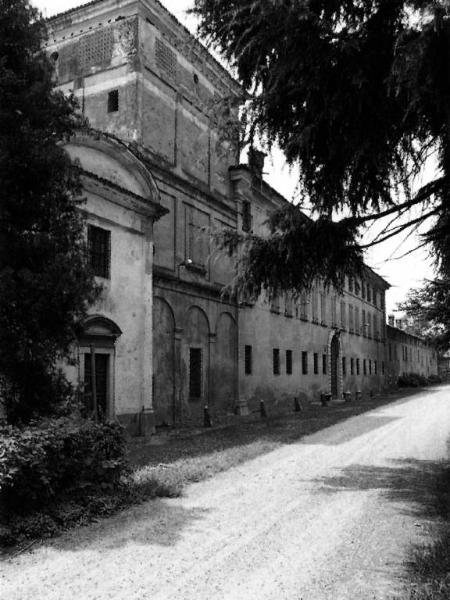
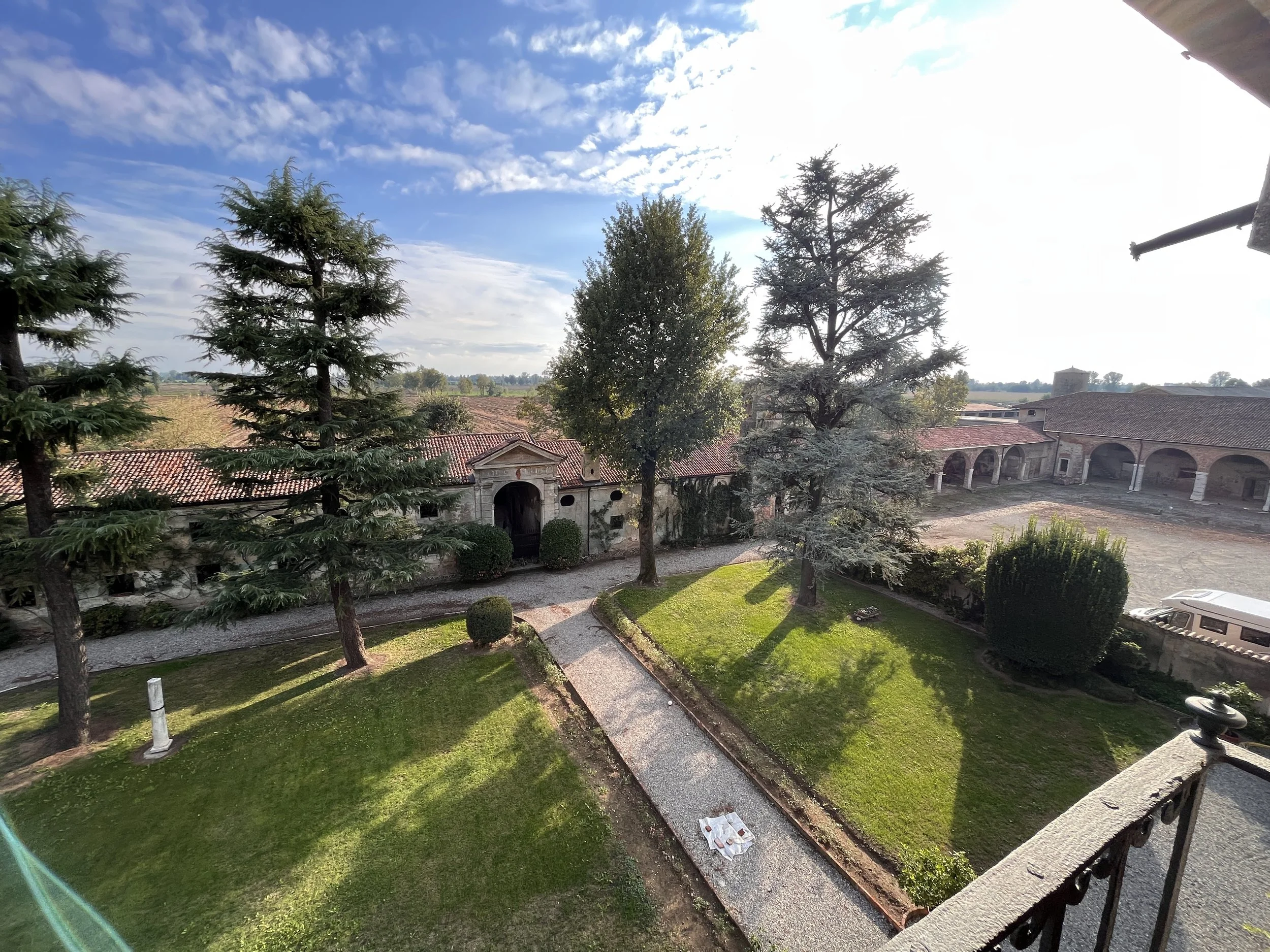
Torre Calini is a historic architectural complex in the countryside of Maclodio, near Brescia, on the road to Berlingo. The site includes a medieval tower incorporated into a 16th century palazzo, together with a chapel, frescoed rooms and an internal courtyard.
The estate was developed in the sixteenth century by the Calini family, who in the early 1500s owned substantial land in this area. During the construction of the palazzo, an older medieval tower was incorporated into the new residence. It may once have served as a rural noble dwelling, standing alone in the countryside, or as a fortified structure used for defence and observation.
Over the centuries, Torre Calini changed hands several times. By 1641, it belonged to Giovanni Francesco Faita. In 1777, Count Rutilio Calini bought it back from the Ballini, a family probably of Venetian origin, together with four other farmsteads: Felusario Sera, Mattina, Ciocchino and Chizola. After Rutilio Calini’s family line came to an end, the estate became the subject of a dispute between the Municipality of Brescia and the Counts Maggi. It was eventually assigned to the Maggi family and, in 1900, passed to Gaetano Maggi, who sold it a few years later to the Dognini brothers.
In 1920, the estate also became the site of an experiment in collective agricultural management — a reminder that Torre Calini was not only a noble residence, but also part of the working rural economy of the Brescian countryside.
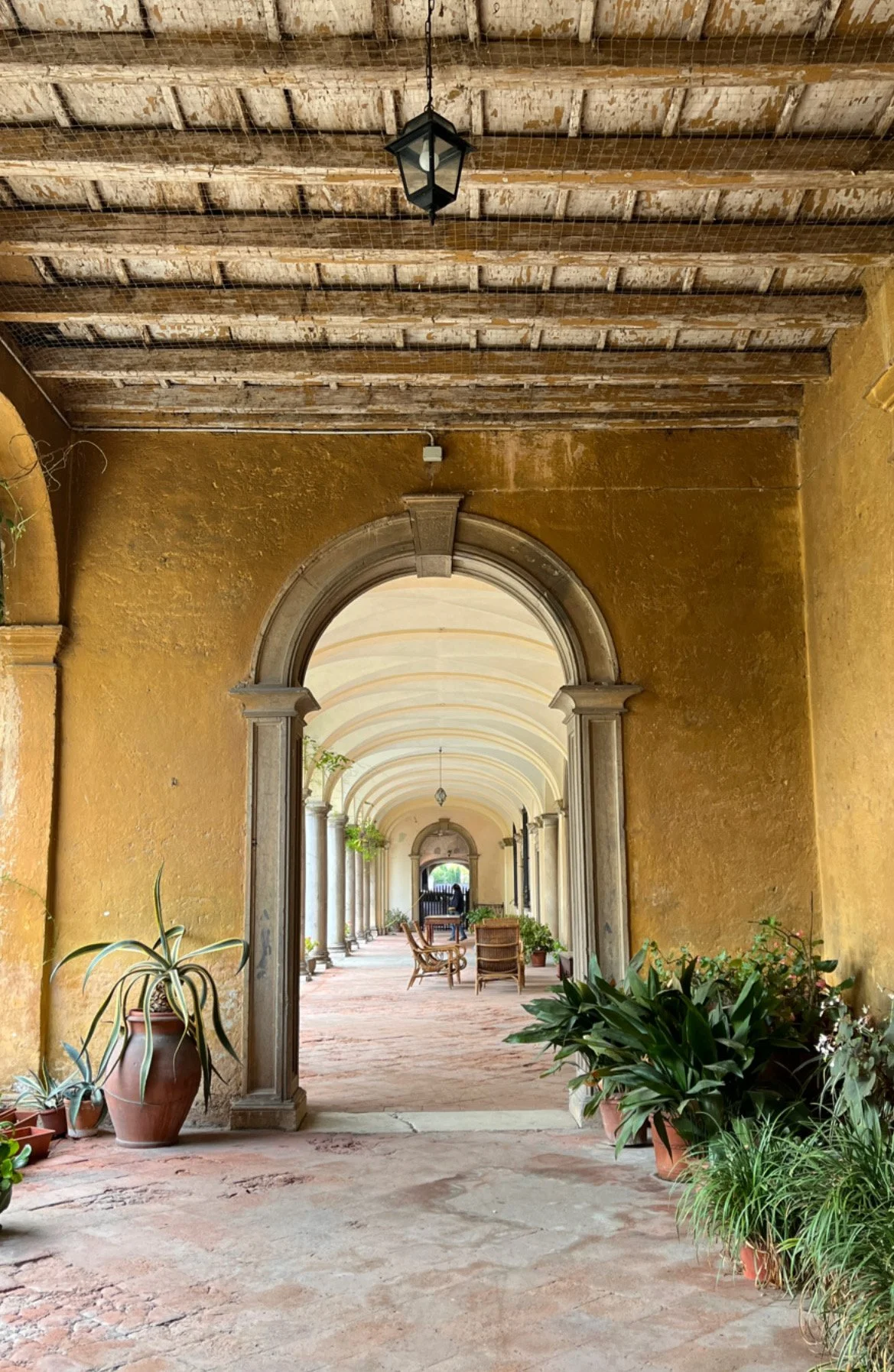
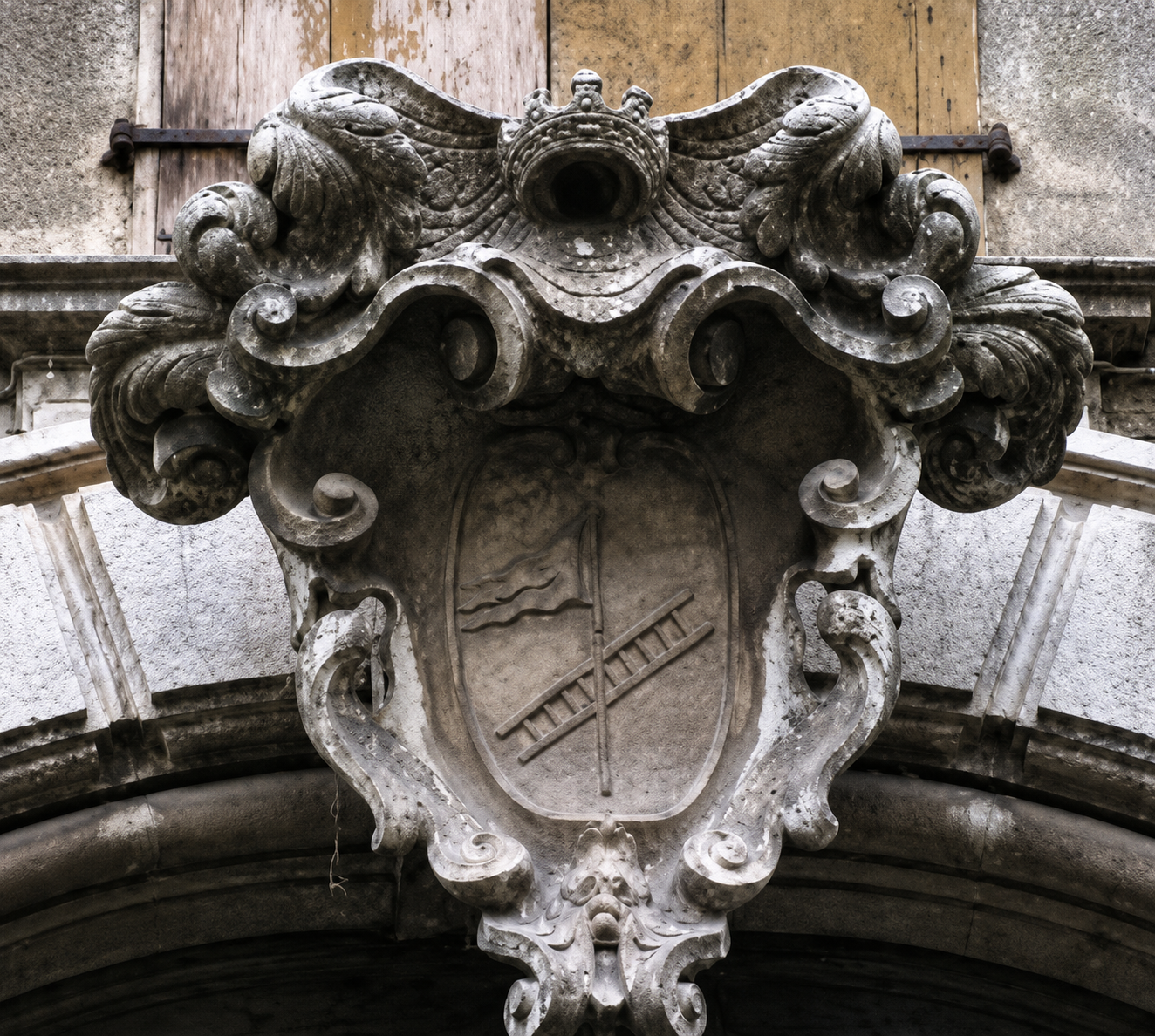
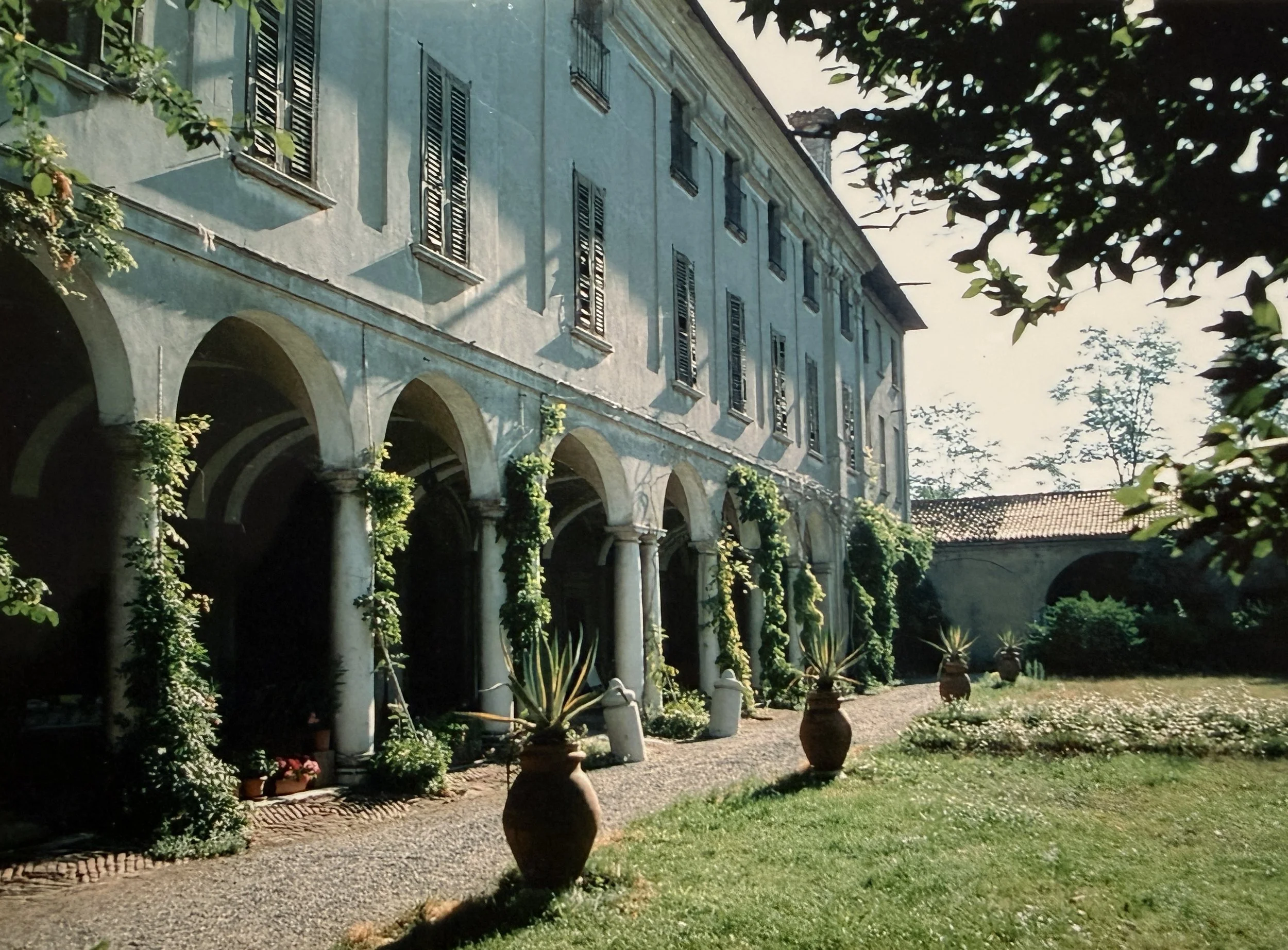
Architecturally, the complex is modest at first glance, but full of detail once you look closer. The western façade is restrained, with large stucco pilasters and a stone portal bearing the Calini coat of arms. On the southern side, facing the courtyard, the long eleven-bay portico is one of its most distinctive features, with simple Doric columns and paired columns at the central arch.
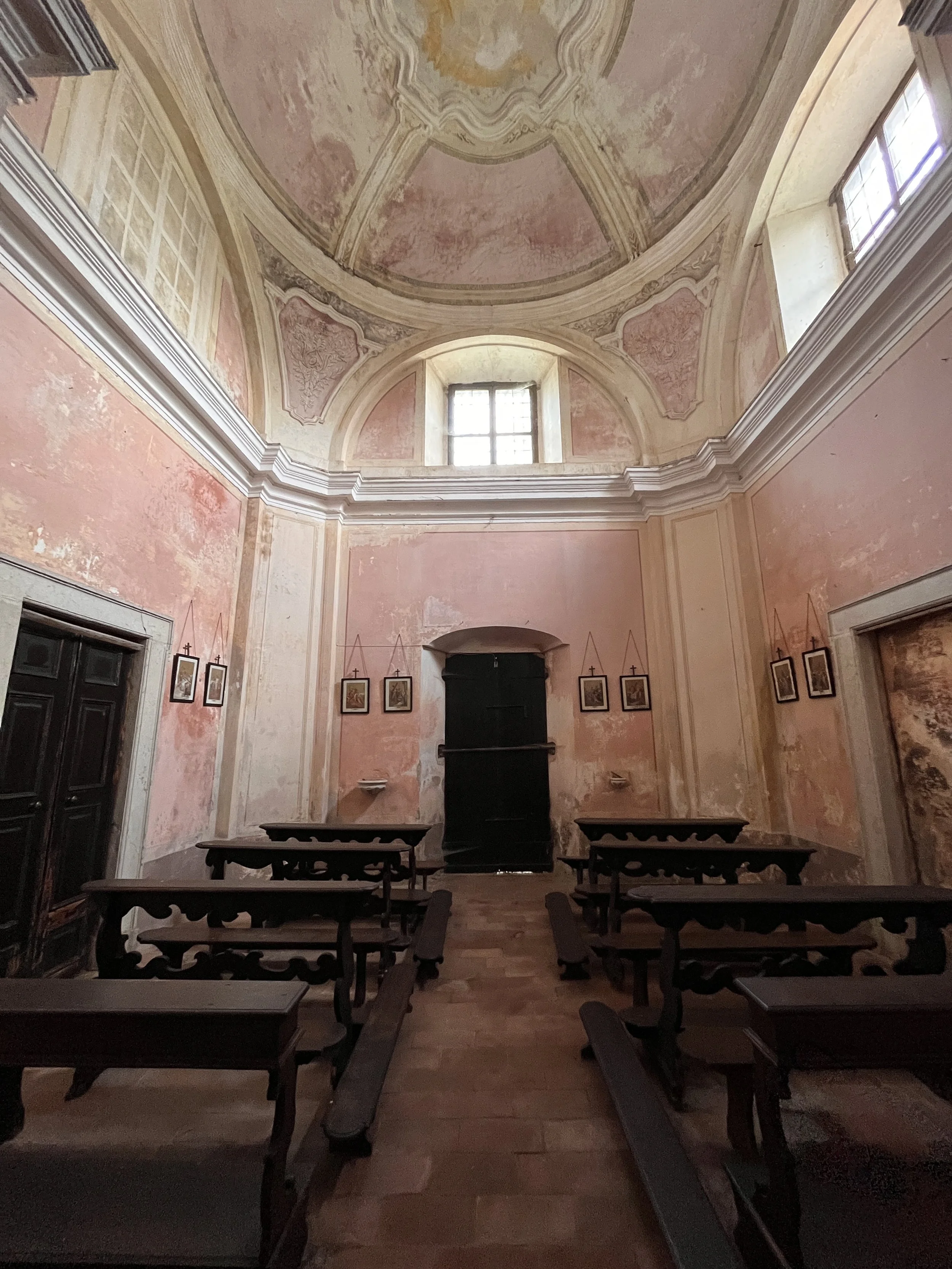
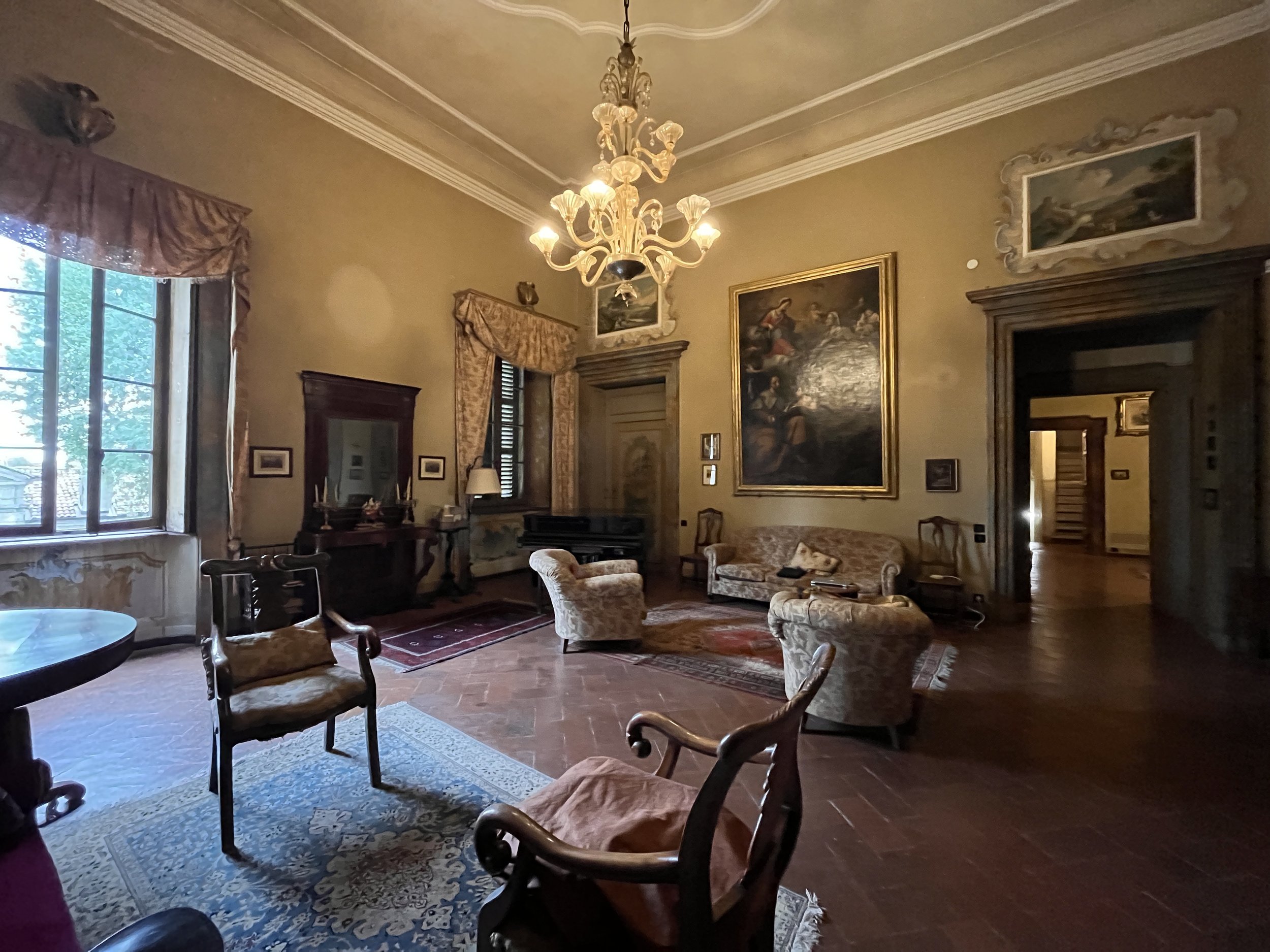
To the east, part of the portico belongs to the older tower complex, followed by a wider eighteenth-century bay built for the chapel. Inside, Torre Calini still preserves frescoed rooms, painted wooden-beam ceilings, historic doors and later eighteenth-century alterations. In the tower itself, a narrow staircase leads up to large vaulted halls on each floor — a small surviving glimpse of the building’s medieval past.
Torre Calini è uno storico complesso architettonico situato nella campagna di Maclodio, vicino a Brescia, lungo la strada per Berlingo. Il sito comprende una torre medievale inglobata in un palazzo del XVI secolo, insieme a una cappella, sale affrescate e una corte interna.
Come ha scritto Fausto Lechi, «viene costruita nel XVI secolo per opera dei Calini, proprietari nel 1533 di 700 piò di terra in questo territorio detto del "Labirinto sive della Schala". Con la costruzione del palazzo viene incorporata l'antica torre, di probabile origine medievale. Essa avrebbe potuto corrispondere al tipo di dimora rurale signorile, e nello stesso tempo isolata, nella campagna, o a luogo forte di difesa e di osservazione».
Passò dai Calini, per eredità o per altro, a varie famiglie. Nel 1641 apparteneva a Giovanni Francesco Faita. Nel 1777 il conte Rutilio Calini la riacquista dai Ballini, famiglia probabilmente veneziana, assieme ad altre quattro cascine: Felusario Sera, Mattina, Ciocchino e Chizola.
Spentosi il ramo del conte Rutilio Calini con la sua morte, contesa con la sua eredità fra il Comune di Brescia e i conti Maggi, la Torre Calini fu assegnata a questi ultimi e, nelle divisioni tra fratelli nel 1900, spettò a Gaetano, il quale dopo non molti anni la vendette, passandola di proprietà ai fratelli Dognini.
Nel 1920 la grande azienda fu al centro di un esperimento di conduzione associata.
Verso il cortile, a mezzodì, degno di nota è il porticato a undici campate con colonne doriche semplici, e accoppiate quelle dell'arcata centrale.
Verso mattina vi sono poi tre campate che si distaccano dal porticato principale perché fanno parte del complesso della torre. Esse sono seguite da un'ultima campata molto più larga che è l'aggiunta settecentesca per la cappella".
Non mancano sale affrescate, porte, soffitti a travetti dipinti, con rifacimenti del sec. XVIII. Nella torre una stretta scala porta a grandi saloni a volta in ogni piano.
Photo Gallery
-
![]()
Early 20th century
-
![]()
View from the portico
-
![]()
Coat of arms of the Calini family
-
![]()
Chapel
-
![]()
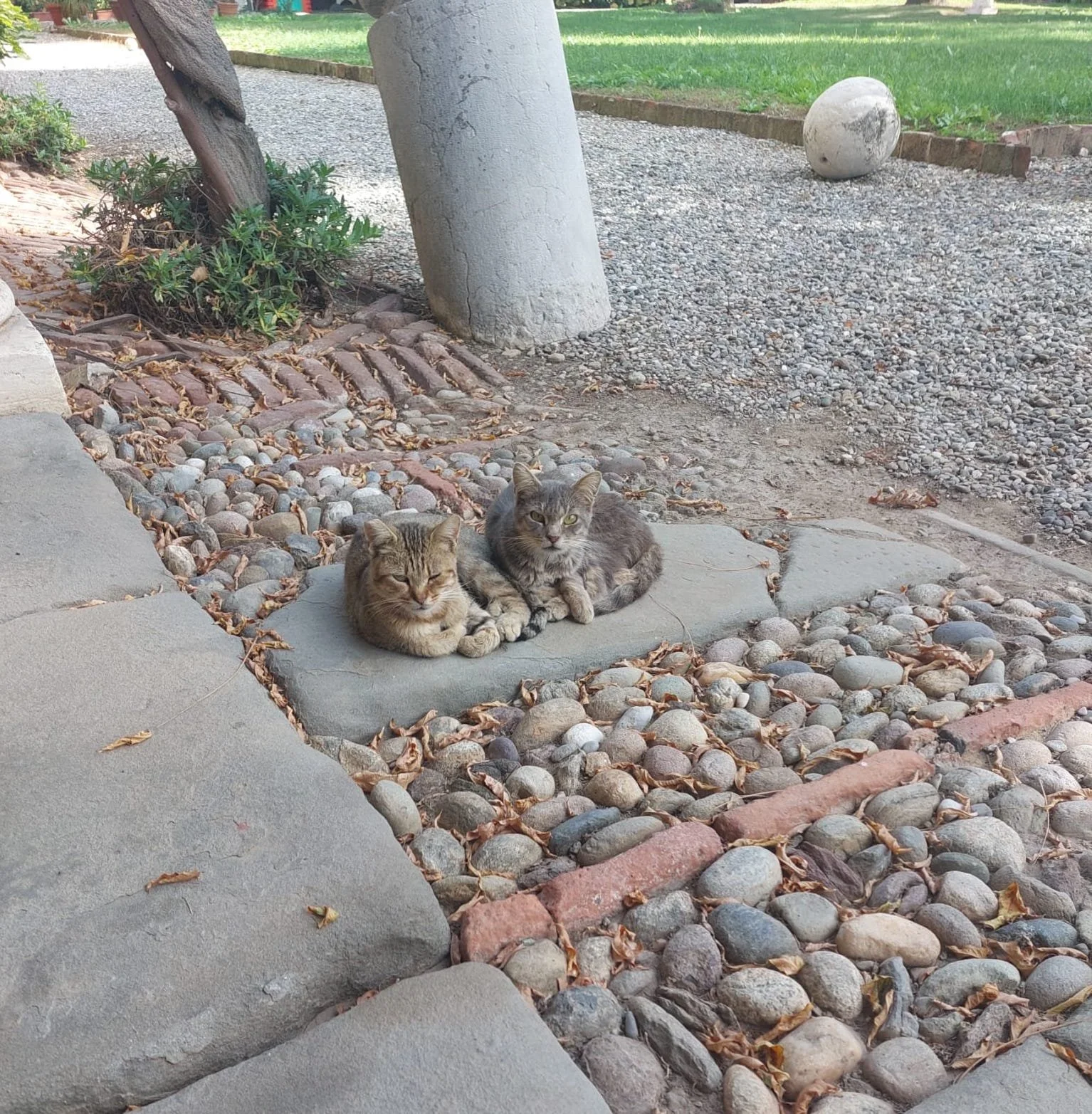
Cats
-
![]()
Garden
-
![]()
Interior